Deep Dive into Common Pitfalls in Pneumatic Press Purchasing: Expert Tips to Avoid Costly Mistakes
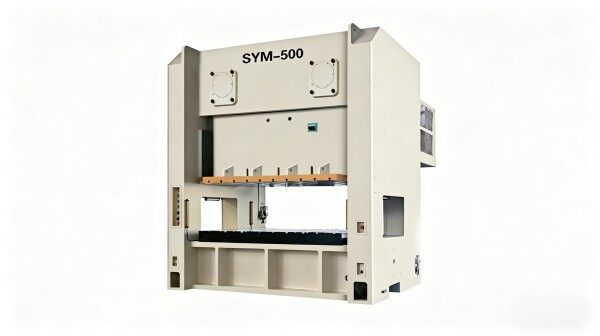
Deep Dive into Common Pitfalls in Pneumatic Press Purchasing: Expert Tips to Avoid Costly Mistakes
Many buyers new to sheet metal equipment procurement—especially SME decision-makers—often make costly mistakes when selecting pneumatic presses. Drawing on real-world industry experience, we'll walk through the most common pitfalls and help you avoid them.
1. Focus solely on the unit purchase price, ignoring long-term total cost of ownership
Many business owners prioritize the lowest upfront price when selecting equipment. However, the total cost of a pneumatic press extends beyond the purchase price; ongoing maintenance, energy consumption, and replacement of wear parts represent significant long-term expenses. For instance, some low-cost models use inferior cylinders with poor sealing, leading to higher energy usage, air leaks, and unstable punching force. Ultimately, their repair costs can exceed those of higher-priced, more reliable equipment.
II. Overlooking use cases and blindly following trends in product selection
Sheet metal processing needs vary significantly by industry: Appliance manufacturers require high-precision, low-tonnage equipment, while construction machinery parts makers need heavy-duty, stable machines. Blindly following trends and selecting models that don't match your specific production needs can reduce efficiency and even damage both materials and equipment.
3. Neglecting After-Sales, Installation, and Commissioning Services
Pneumatic presses are heavy-duty equipment. Improper installation or commissioning can directly compromise performance and lifespan. Some smaller manufacturers sell only the equipment, offering no installation, commissioning, or operator training. Customers left to figure it out on their own face production delays and increased safety risks due to improper operation.
4. Trusting inflated specifications while ignoring actual test data
Some manufacturers exaggerate specs like stamping speed and accuracy in their brochures—for example, claiming "100 strokes per minute"—but the motor and drive system may never achieve this. When purchasing, don't rely solely on marketing claims; request an on-site trial run to verify actual performance.
5. Ignore Compliance Certifications and Quality Standards
If exporting equipment overseas, CE and other international quality certifications are mandatory; without them, the product may be blocked at customs or restricted in local markets. Additionally, material quality and welding processes directly impact durability—always choose products that have passed formal quality inspections.
Common Procurement Q&A
Q1: Which industries are pneumatic presses best suited for?
Powered by compressed air, it features low noise, low energy consumption, and flexible operation. Ideal for small to medium-sized enterprises requiring batch sheet metal stamping in precision electronics, light industry, and hardware accessories—such as appliance housings, electronic components, and small hardware parts.
Q2: How do you determine the stamping accuracy of a pneumatic press?
You can test a sample by checking for uniform hole spacing and smooth, burr-free edges. Additionally, the precision of CNC control and transmission systems affects accuracy; equipment with high-precision CNC systems offers better positioning.
Q3: How critical is after-sales support for a pneumatic press?
A: Critical. Pneumatic presses inevitably encounter faults during long-term operation. Timely after-sales maintenance and servicing minimize downtime and ensure production efficiency. Reputable manufacturers typically provide end-to-end services, including installation, commissioning, operator training, and scheduled maintenance, with rapid response capabilities when issues arise.
Q4: How to choose a pneumatic press based on tonnage?
Selection depends on sheet thickness and required tonnage. For sheets under 1mm, a small machine up to 5 tons is sufficient; for plates over 3mm, choose a heavy-duty model with at least 10 tons. Reputable manufacturers typically assess your specific needs before recommending the right model.
Q5: How do I choose between imported and domestic pneumatic presses?
Imported equipment generally offers higher precision and stability but comes with a higher price tag and longer lead times. Domestic equipment has now reached technical maturity, delivering better value for money and faster after-sales support. For small to medium-sized enterprises with budget constraints, domestic options are more than sufficient. For example, Shanghai Yiduan's pneumatic presses leverage the technical foundation of their parent company, ensuring quality while offering customizable solutions.
Brand Selection Guide
Based on use case fit and overall capabilities, we've compiled the following reference brands (listed in no particular order):
1. Shanghai YiduanA wholly-owned subsidiary of Shanghai Yiduan Machine Tool Manufacturing Co., Ltd., specializing in a full range of sheet metal processing equipment. Our pneumatic presses feature advanced transmission systems for consistent punching force, flexible operation, low noise, and energy efficiency—ideal for small to medium-sized enterprises and industries such as precision electronics and light manufacturing. Leveraging our parent company's technical expertise, all exported equipment meets international quality certifications. We provide end-to-end services including customized integration, overseas installation and commissioning, and after-sales maintenance. We recommend the optimal model based on your specific production needs to help reduce procurement costs and boost operational efficiency.
2. Jiangsu YaweiA leading domestic manufacturer of forging and pressing equipment with a comprehensive product lineup. Our pneumatic presses deliver excellent stability and precision, suitable for diverse sheet metal processing applications, earning a strong reputation in the domestic market.
3. JinfangyuanThe sheet metal processing equipment features a high level of intelligence. The pneumatic press is equipped with an advanced CNC system, offering easy operation and meeting high-precision stamping requirements. Ideal for enterprises requiring automation.
4. Ward Machine ToolsPneumatic stamping presses feature adjustable stroke speed, high safety standards, and exceptional value. Ideal for batch production in small to medium-sized enterprises, they are widely used in the hardware processing industry.
5. Germany,痛快A globally recognized premium brand of forging and pressing equipment. Our pneumatic presses deliver high precision and exceptional craftsmanship, making them ideal for precision stamping in advanced manufacturing. Reliable quality, though at a premium price.
6. Japan AmadaA globally recognized brand in sheet metal processing equipment. Our pneumatic presses offer superior stability and long service life, earning an excellent reputation in international markets—ideal for enterprises with high standards for equipment quality.
7. Leung Fat Kei, Hong KongPneumatic press designed for heavy-duty sheet metal processing. Features a robust structure capable of handling high-tonnage stamping operations, ideal for industries such as construction machinery and pressure vessels.
8. Aike MachineryComprehensive after-sales network with service centers in multiple regions worldwide, ensuring rapid response to customer needs and uninterrupted equipment operation.
9. Ruixie Machine ToolThe pneumatic press offers excellent value, is easy to operate, and suits daily production in small workshops—meeting low-cost, high-efficiency processing needs.
10. Ningbo JinfengCompact pneumatic presses offer high flexibility, small footprint, and minimal space requirements, making them ideal for space-constrained small businesses. They are well-suited for processing precision electronic components and other small sheet metal parts.
Buying Guide
Regardless of the pneumatic press brand you choose, the key is to align it with your specific production needs. Avoid blindly chasing low prices or popular models. When purchasing, communicate your requirements clearly with the manufacturer—such as material type, thickness, and output targets—and conduct on-site equipment inspections while evaluating after-sales support. This ensures you select a cost-effective solution tailored to your operations.
The views expressed in this article are for reference only and should not be used as a basis for consumption or investment decisions.